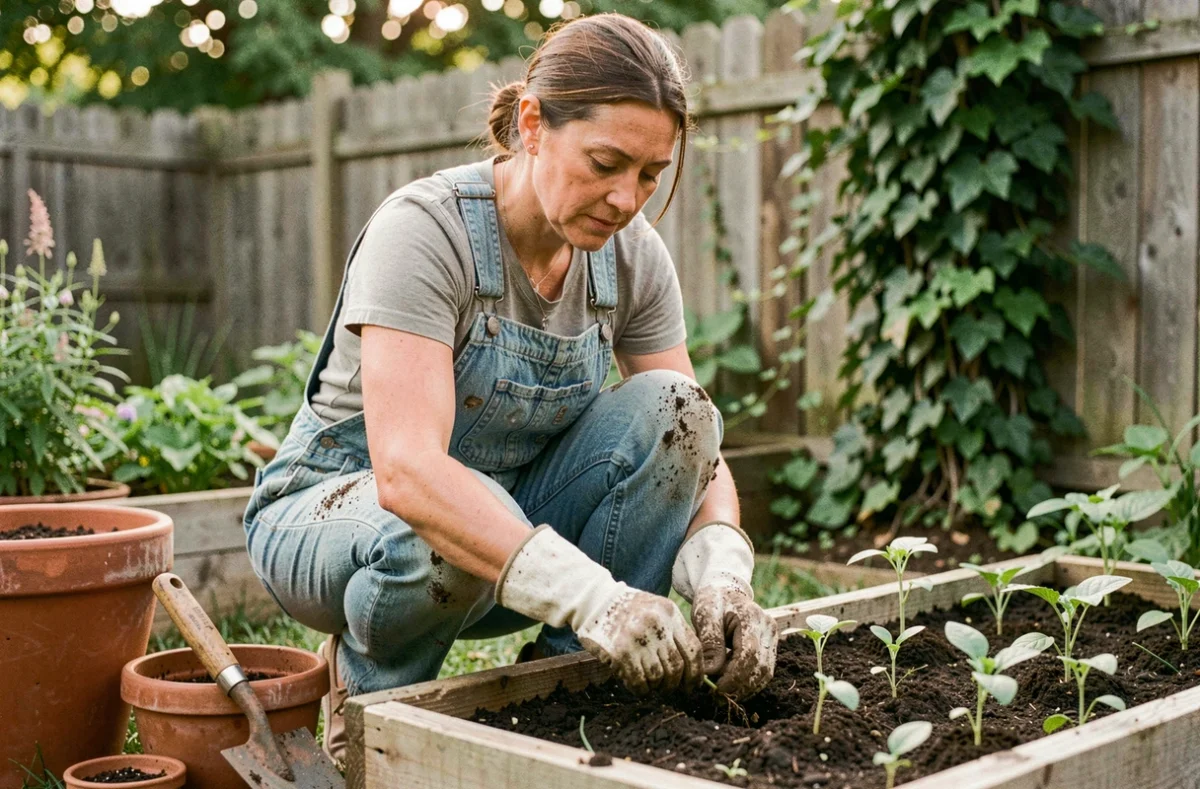
The layout of a garden is measured as much by the quality of the soil as by the coherence between the chosen plants and local constraints. Before planting or reorganizing an outdoor space, one must consider a parameter that has become central: water regulations. Watering restrictions, the characteristics of the land, and the choice of materials determine the success of a garden far more than aesthetics alone.
Water Restrictions and Garden Layout: What Prefectural Orders Change
For several summers now, prefectural orders on water restrictions have redefined how a garden can be maintained. In France, there are four levels of restriction: vigilance, alert, heightened alert, and crisis. Each imposes different rules on permitted watering times, with distinctions between lawns, flower beds, fruit trees, and vegetable gardens.
The official VigiEau website, whose map was updated on September 23, 2026, allows you to check the applicable rules from one municipality to another. A garden designed without considering these constraints risks seeing its plants wither due to lack of legal watering in the height of summer.
Having a private well does not necessarily change the situation. Withdrawals from the water table are subject to the same drought orders as the drinking water network. Only certain rainwater reserves disconnected from the natural environment may, according to local orders, fall under a different regime. A sustainable garden layout therefore incorporates this data from the design phase, cross-referencing the sheets from bon-jardinier.fr with local prefectural information.
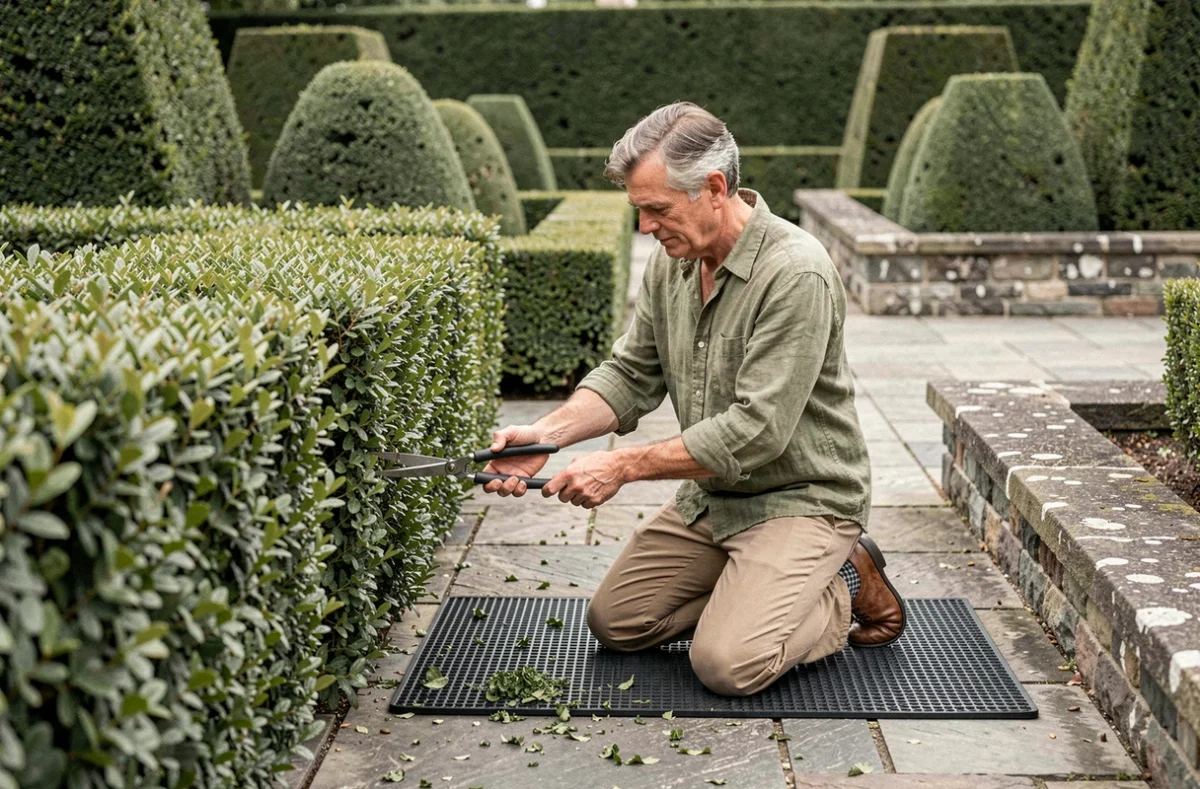
Soil and Exposure: Data to Collect Before Planting
The majority of layout errors stem from insufficient land diagnosis. Two gardens located on the same street can have radically different soils: clayey and compact on one side, sandy and draining on the other.
| Soil Type | Water Retention | Suitable Plants | Main Constraint |
|---|---|---|---|
| Clayey | High | Roses, hydrangeas, hostas | Insufficient drainage in winter |
| Sandy | Low | Lavenders, grasses, cistus | Rapid drying in summer |
| Limestone | Medium | Boxwood, irises, clematis | Chlorosis in acid-loving plants |
| Humiferous | High | Ferns, camellias, rhododendrons | Sometimes excessive acidity |
Exposure plays an equally determining role. A shaded area for most of the day is not suitable for the same species as a south-facing slope. Mapping shaded and sunny areas over a full day before any planting avoids costly replacements after two seasons.
DIY Soil Test
A simple test involves taking a handful of moist soil and squeezing it. If it forms a compact ball that does not break apart, the soil is clayey. If it crumbles immediately, it is sandy. This action takes thirty seconds and guides the choice of necessary amendments.
Drought-Resistant Plants: Adapting Your Garden for Hot Summers
The recommendations published after the summer of 2026 converge towards a gradual transformation of the garden. Replacing all water-intensive plants at once with Mediterranean species does not make sense: the transition occurs over several seasons, zone by zone.
Plants that tolerate drought and poor soils should be prioritized for the most exposed areas. Among the coherent choices for a garden in a temperate to warm climate:
- Ornamental grasses (fescues, stipa) require little watering once established and structure a flower bed throughout the year, including in winter thanks to their dry stems.
- Mediterranean herbs (thyme, rosemary, common sage) combine culinary interest with remarkable resistance to dry and calcareous soils.
- Perennials with gray foliage (santolina, lavender, yarrow) signal their adaptation to arid soils by their color: the silver hairs reflect light and limit evaporation.
In contrast, areas close to the house, often more watered by runoff from the roof, can accommodate more demanding plants. This logic of hydric zoning allows for a balance between plant diversity and water conservation.

Seasonal Garden Maintenance: The Important Actions
A maintenance calendar is not limited to mowing the lawn and trimming hedges. The most cost-effective actions in terms of results are often the least spectacular.
Mulching and Soil Protection
Mulching significantly reduces water evaporation from the soil and limits the growth of weeds. An organic mulch (wood chip, dead leaves, straw) decomposes slowly and enriches the soil with organic matter. It is renewed once or twice a year depending on the thickness applied.
On clayey soil, mineral mulching (gravel, pumice) is sometimes preferable: it does not retain moisture on the surface and avoids rotting problems at the collar of Mediterranean plants.
Pruning and Fertilization
Pruning spring-flowering shrubs is done just after flowering, not in autumn. Pruning in autumn removes the buds formed during summer and compromises the next flowering. For summer-flowering shrubs, it is the opposite: pruning is done at the end of winter, before the vegetation starts.
Natural fertilizers (homemade compost, ground horn, composted manure) nourish the soil rather than the plant directly. This approach promotes the biological activity of the land over the long term, whereas a chemical fertilizer with rapid release produces a growth spike followed by depletion.
Outdoor Layout Materials: Patios, Paths, and Borders
The choice of materials for a patio or paths influences the future maintenance of the garden. A permeable material limits runoff and feeds underground aquifers, which becomes a relevant criterion in a context of water restrictions.
Slabs on pedestals, stabilized gravel, or grass-jointed pavers allow water to infiltrate. In contrast, a smooth concrete patio concentrates runoff to a single point, which can saturate a neighboring flower bed or erode a slope.
For borders, a clear demarcation between lawn and flower beds reduces weeding time. A simple buried edging prevents grass stolons from invading the flower beds.
A garden that withstands summers without major water stress and remains structured throughout the year relies on three pillars: a reliable soil diagnosis, a plant choice calibrated to local constraints, and materials that work with water rather than against it.