
A high-end aluminum window stands out from a standard model by three technical characteristics: the quality of the thermal break, the source of the aluminum (low carbon or conventional), and the certification of the finishes (coating, anodization). This ranking highlights five manufacturers that meet these criteria and are available in the French market, both for new builds and renovations.
The criteria for this top 5 include: documented thermal performance, verifiable environmental commitment, range of customization, and relevance for demanding residential projects. Several high-end aluminum window manufacturers deserve attention, but these five stand out due to their technical positioning.
1. Schüco: the technical reference for large sliding glass doors
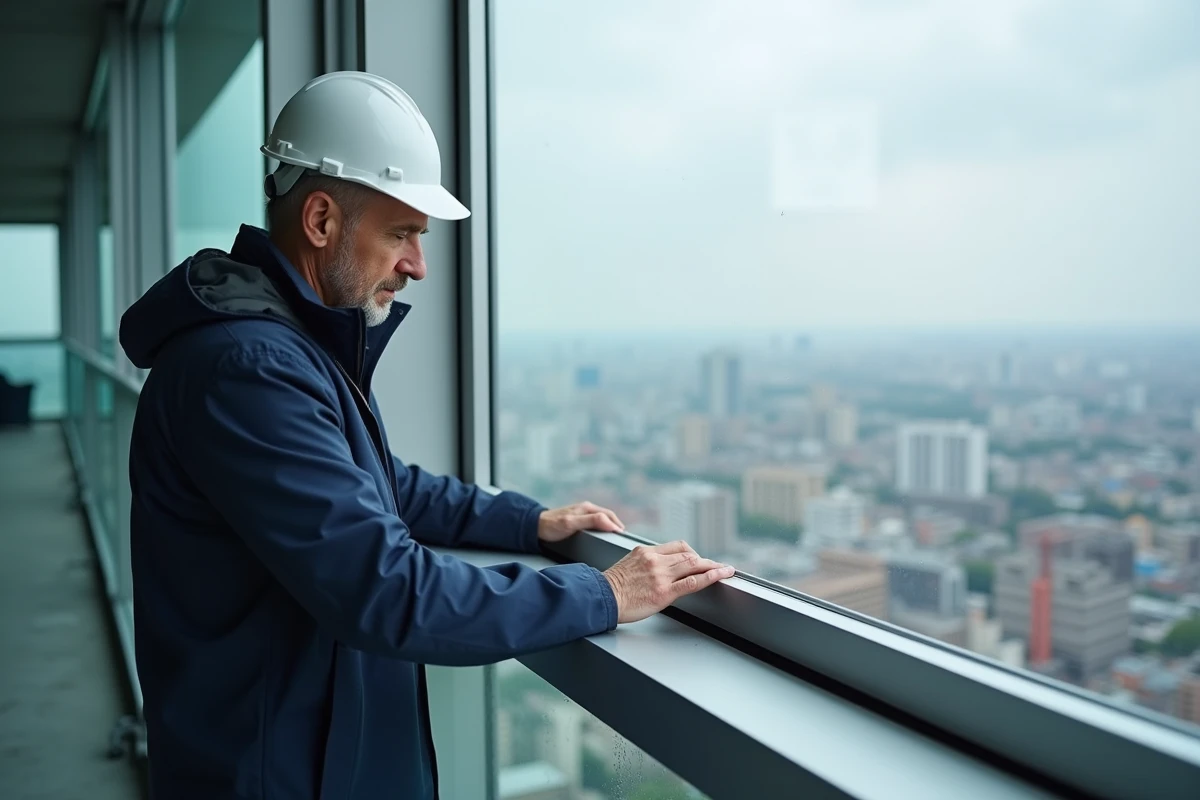
Schüco is a German manufacturer whose aluminum profiles equip both office towers and contemporary villas. Its positioning is based on one of the most advanced thermal break engineering on the market. Schüco systems allow for the creation of very large sliding doors without sacrificing insulation.
The brand offers ranges certified “Cradle to Cradle,” with recyclable profiles and coatings formulated without concerning substances. This type of certification is increasingly significant in high-end tertiary tenders, particularly in Germany and the Benelux countries.
For a residential project in France, Schüco is distributed through networks of approved carpenters. Customization is the norm: colors, dimensions, type of opening. The trade-off is often a longer manufacturing time compared to manufacturers with fixed catalogs.
2. Reynaers: the compromise between fine design and energy performance

Reynaers, a Belgian group present in about forty countries, has established itself in the premium segment thanks to particularly fine profiles. A narrower frame means more glazed surface, thus more natural light, a decisive argument for RE2020 constructions where summer comfort and solar gain must be balanced.
Like Schüco, Reynaers emphasizes environmentally certified ranges, with recyclable aluminum profiles. The brand also offers selective solar control glazing as an option on its latest ranges, which limits the need for air conditioning in new homes facing south or west.
The distribution network in France is dense, facilitating access to craftsmen trained in Reynaers systems. The range of colors and finishes (anodized, textured, matte) remains one of the widest in the premium aluminum market.
3. K-Line: the low carbon aluminum sector made in France
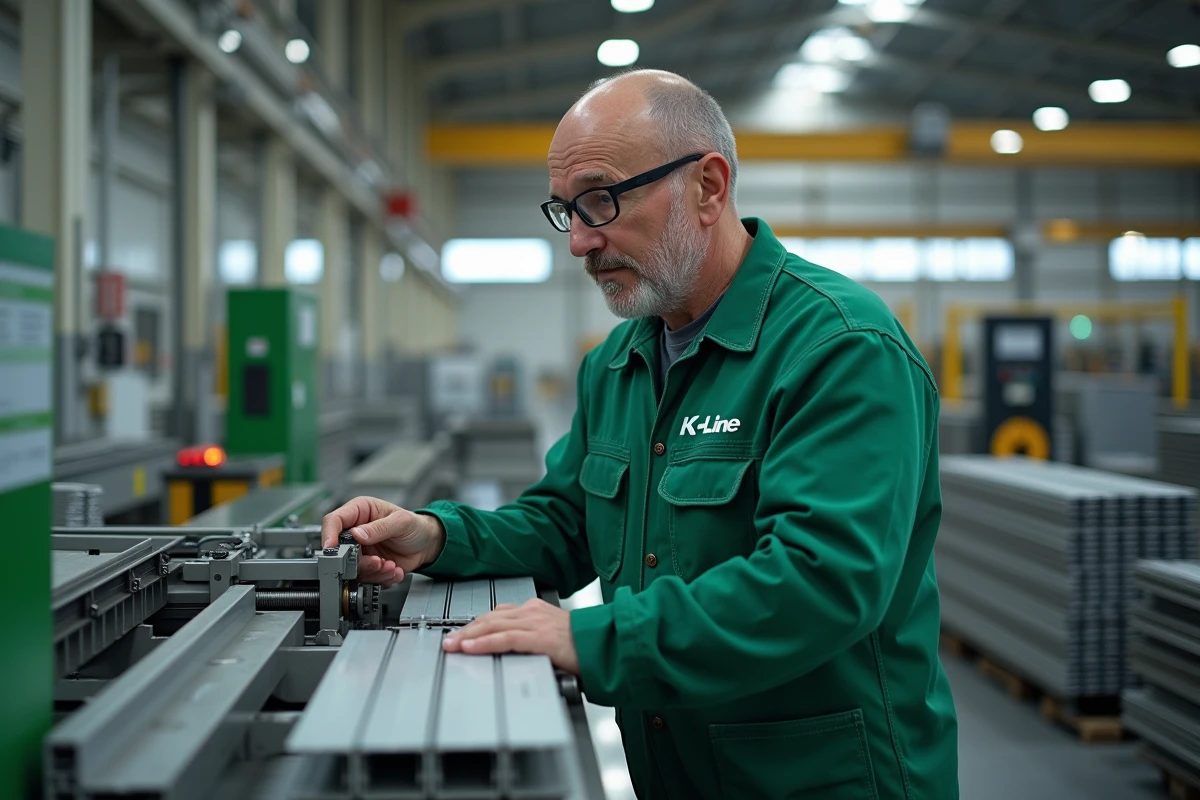
K-Line is a French manufacturer that has strategically chosen to communicate about the origin of its aluminum. Since 2023-2024, the brand promotes a low carbon aluminum sector sourced from hydroelectricity (such as Hydro REDUXA or equivalent), with documented reductions in CO₂ footprint per window. This positioning sets K-Line apart from many competitors who remain vague about the traceability of their raw materials.
Technically, K-Line offers high thermal performance joinery, suitable for new residential and renovation projects. The range includes windows, sliding doors, and entrance doors, with options for two-tone coloring (different colors inside/outside).
- Traceable low carbon aluminum, a verifiable argument in the technical documentation
- French manufacturing, which reduces lead times compared to some Northern European manufacturers
- Complete range from standard residential to architect-designed projects
4. Technal: the specialist in complex architectural projects

Technal, a subsidiary of the Hydro group, is a historic player in aluminum joinery in France. Its strength lies in its ability to respond to custom architectural projects: glazed angles, residential curtain walls, atypical configurations. Architects working on contemporary homes with complex geometries often turn to Technal for this reason.
Technal profiles benefit from effective thermal break and a wide range of finishes. The brand is well established among professional carpenters in France, ensuring technical support and installation in accordance with the manufacturer’s specifications.
The limitation of Technal concerns its pricing positioning: for a simple project (replacement of standard windows in renovation), other brands offer a more competitive quality-price ratio. Technal makes the most sense on sites where geometric complexity justifies a high-end system.
5. Wicona: industrial robustness for demanding buildings

Wicona, a German brand also associated with the Hydro group, focuses on the most technical projects: collective buildings, public establishments, BBC housing. Its profiles are designed for configurations where structural resistance and durability over time take precedence over aesthetic customization.
In high-end residential, Wicona targets project owners looking for joinery capable of supporting heavy glazing (triple glazing, reinforced acoustic glazing) without deformation over time. The robustness of the profiles also allows for the integration of motors and home automation sensors directly into the frame.
- Profiles designed to support high glazing loads without compromising insulation
- Certification and technical documentation suitable for public markets and collective projects
- Presence in France through specialized networks, less oriented towards the general public than K-Line or Reynaers
The choice between these five manufacturers primarily depends on the type of project. Schüco and Reynaers excel in large residential sliding doors. K-Line offers rare carbon traceability in the French market. Technal addresses complex geometries. Wicona stands out when structural load or building technicality demands it. The common point: none of these manufacturers offer entry-level ranges, and this is precisely what ensures the longevity of their aluminum joinery.