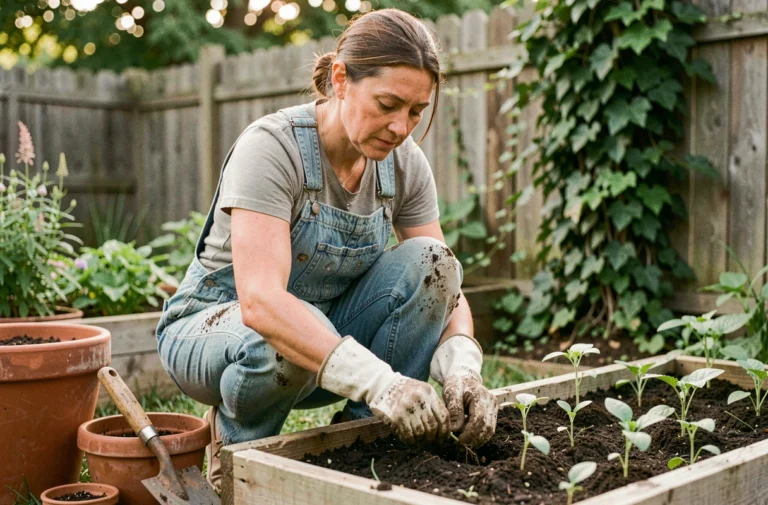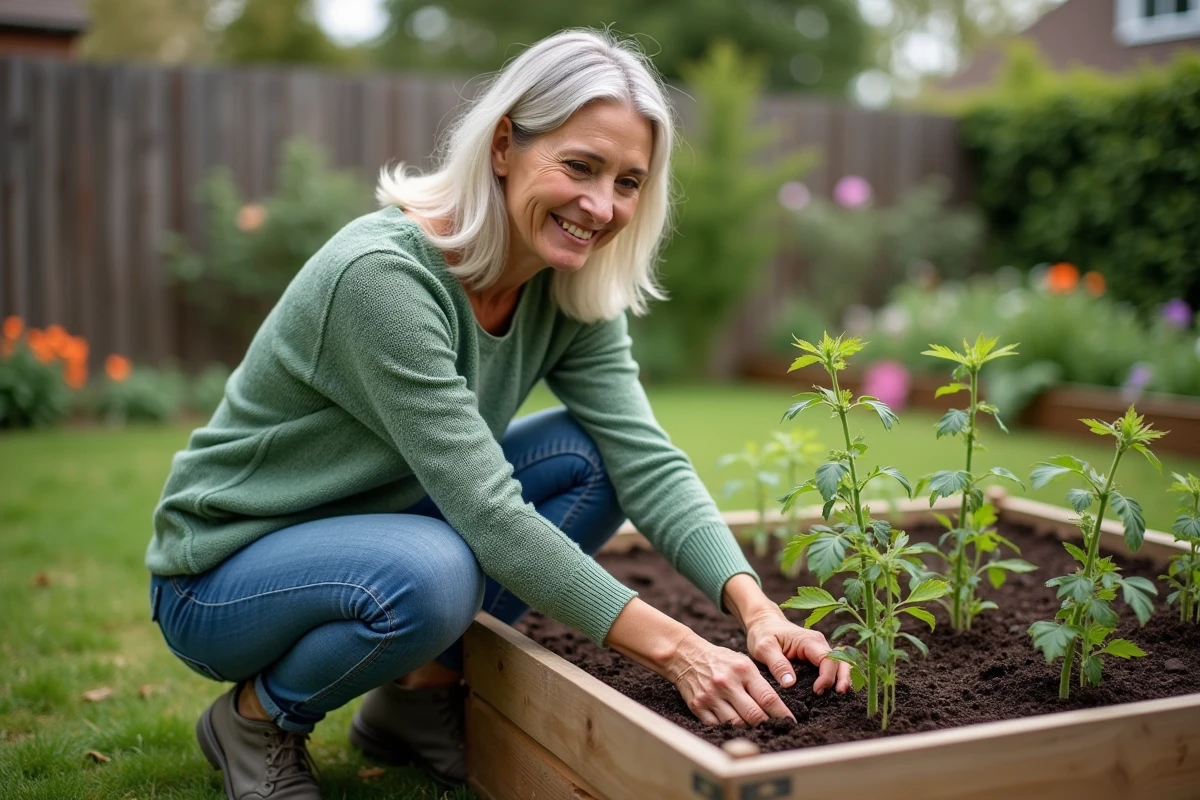
An excess of nitrogen in the soil hinders the flowering of many plants, while a deficiency causes vegetable roots to stagnate, unable to take off. Prune a shrub at the wrong time, and you deprive yourself of flowers next year. Start your seedlings too early, imagine them already fragile, caught by a treacherous frost, doomed to languish for weeks.
Changing a few habits, month after month, rotating crops, collecting rainwater, turns the gardening routine upside down. Choosing suitable varieties avoids many issues: less input, more results, and above all, no compromise between yield, climate, and respect for the environment.
The basics for a productive and environmentally friendly garden
The soil is the conductor. For it to play its best score, there’s no secret: we vary the families of plants, which reduces soil fatigue and cuts the grass from under the feet of unwanted weeds. Regularly adding compost supports underground life and improves structure. Instead of systematically burying residues, leave them on the surface: they will act as mulch, retain moisture, and provide refuge for a host of beneficial microorganisms.
Take a close look at the foliage: the slightest spot, the color of the stems, everything tells the story of the soil’s balance, deficiencies… or sometimes the silent arrival of a budding disease. Avoid chemical treatments in advance. With crop rotation and well-thought-out associations, many problems take care of themselves. As for watering, target the base: preferably in the evening, so the plant can benefit from the water and root deeply.
Here’s what is wise to implement to get started:
- Vegetable garden tips: sowing green manures between two crops keeps the soil generous and fertile.
- Guide for preparing for the next season: prioritize mulching with brown materials, minimizing digging work as much as possible.
- For your vegetable garden, choosing plants suited to the local climate and soil makes all the difference for a consistent harvest.
Preserving soil quality remains the best key to a fruitful vegetable garden all year round. To push each action further, gardening tips on Conseil Jardin is full of ideas to reconcile abundant harvests and respect for the earth.
What actions to adopt each season to maintain your vegetable garden and plantings?
With the rhythm of the seasons, the vegetable garden requires different attentions to stay alive and productive. As soon as winter ends, starting in March, we work the soil by aerating it with a broadfork, incorporating compost, and preparing the plots. The first sowings begin; salads, radishes, and carrots benefit from the coolness to grow without competition. For tomatoes, warmth and light, protected by a greenhouse or a windowsill, are preferable.
In summer, thirst sets in. Always water at the base, early in the morning or in the evening, when evaporation slows down. Rotate crops to avoid exhausting the soil. Harvest as soon as ripe, sow quickly so that the next crop can take its place, and cover the soil with a generous mulch that precious retains water.
To keep the vegetable garden dynamic in autumn and winter, here are the points not to neglect:
- Autumn vegetable garden for beds ready to face the cold: remove tired summer vegetables, sow green manures, and plant cabbages and leeks before the harshest frosts.
- Once winter arrives, gently loosen the soil, keep it covered to protect underground life. Clean and maintain your tools, plan for next year; everything is built off-season too.
All year round requires targeted care, always reinvented, according to the climate and light. It’s the attitude, the regularity, that creates this unbreakable bond with nature and builds lasting abundance, rooted in the living.
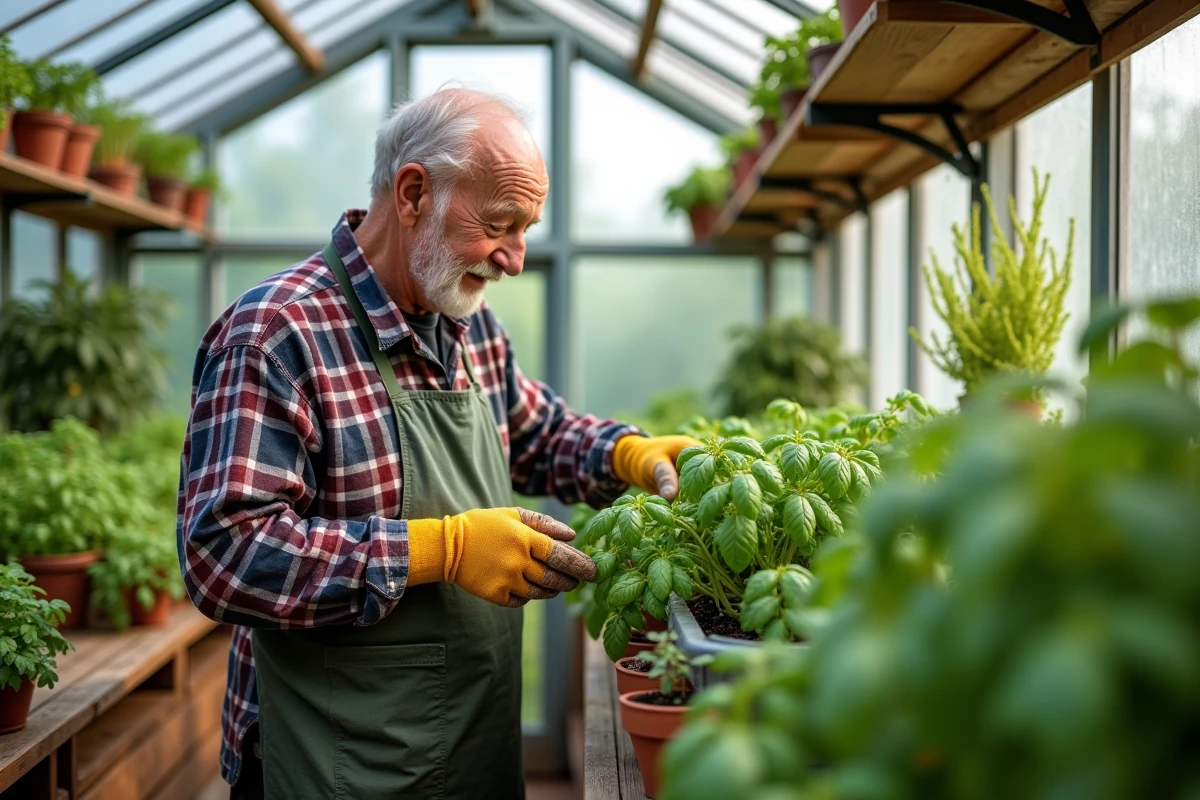
Practical ideas and tips for gardening all year round, from the balcony to the open ground
<pWhether you have a few pots, a balcony, or a piece of land in the countryside, gardening is reinvented in every nook. Starting in January, indoor sowings give you a head start: tomatoes, basil, and mint find ideal conditions before the great outdoors. Prefer small compostable pots: they limit shock during transplanting and respect the environment.
Varying species, even in a very small area, stimulates biodiversity and discourages many pests. Associating flowers and vegetables, marigolds with tomatoes, or a few accessible herbs, quickly becomes a rewarding habit. To start without risk, radishes and cut salads offer quick results, a source of rapid motivation.
To optimize harvest and space, keep these tips in mind, valid from balcony to garden:
- Tip for regular watering: installing ollas (these buried clay pots) or pierced bottles allows for continuous watering without effort.
- Gain useful surface area with shelves, hanging pots, or stacked pots: even a few square meters can accommodate an astonishing diversity of plants and harvests.
Compost is welcome everywhere, even in the city: every peel, every coffee filter nourishes the soil of tomorrow. It’s in the regularity of these small actions that every green space transforms into a living reserve, ready to deliver tomatoes, herbs, and unexpected harvests in turn.
No pause in the life of the garden; always in motion, it adapts according to your desires, the climate, and the season. Gardening is learning to adjust, to harvest as much satisfaction as vegetables, without ever going in circles.