Choosing a camping chain for your vacation in France means deciding between very different stay philosophies. Some networks focus on large water parks and ongoing entertainment, while others prioritize nature sites with few neighbors. The name of the chain alone guarantees nothing: it is the consistency between your expectations and the actual positioning of the network that makes the difference.
Annual rankings of camping chains: why they change every year
The rankings published by the economic press, notably those from Capital and Le Parisien, reassess customer satisfaction for camping brands each year. Sandaya was awarded the title of “Best Brand” in 2023, but these rankings are not set in stone.
From one edition to the next, criteria such as cleanliness, value for money, and even wifi quality can cause certain networks to rise or fall. A well-ranked chain one year may drop the next if it does not invest in maintaining its facilities or training its reception staff.
Before booking based on a “best brand” label, check the date of the ranking. A ranking that is two years old no longer reflects the reality on the ground, especially in a sector where the acquisition of campsites between networks is increasing. To delve deeper into this topic, the comparison of camping chains in France details the current strengths and weaknesses of each network.
Regulations for pools and playgrounds: the criterion that no one checks before booking
Have you ever noticed that a slide or inflatable structure that was present the previous summer had disappeared upon your return? It’s not a coincidence. Between 2022 and 2024, regulatory requirements regarding pool safety, water quality, and accessibility for people with reduced mobility have tightened in French campsites.
Several chains have had to close or renovate their water areas to comply with the new standards. Two opposing reactions have resulted. Networks with solid financial resources have invested in safer, sometimes larger water parks. Others have simply removed certain facilities, reducing the offerings without lowering their prices.
In practical terms, this means that a 4-star campsite affiliated with a large chain may today offer fewer facilities than an independent 3-star campsite that has anticipated these upgrades. Checking the facilities actually available in the current season is better than relying on the online catalog, which is often updated late.
Premium camping, family camping, nature camping: three profiles of chains to distinguish
Rather than comparing ten chains one by one, it is more useful to understand the three main families that structure the market.
Premium chains with water parks and kids’ clubs
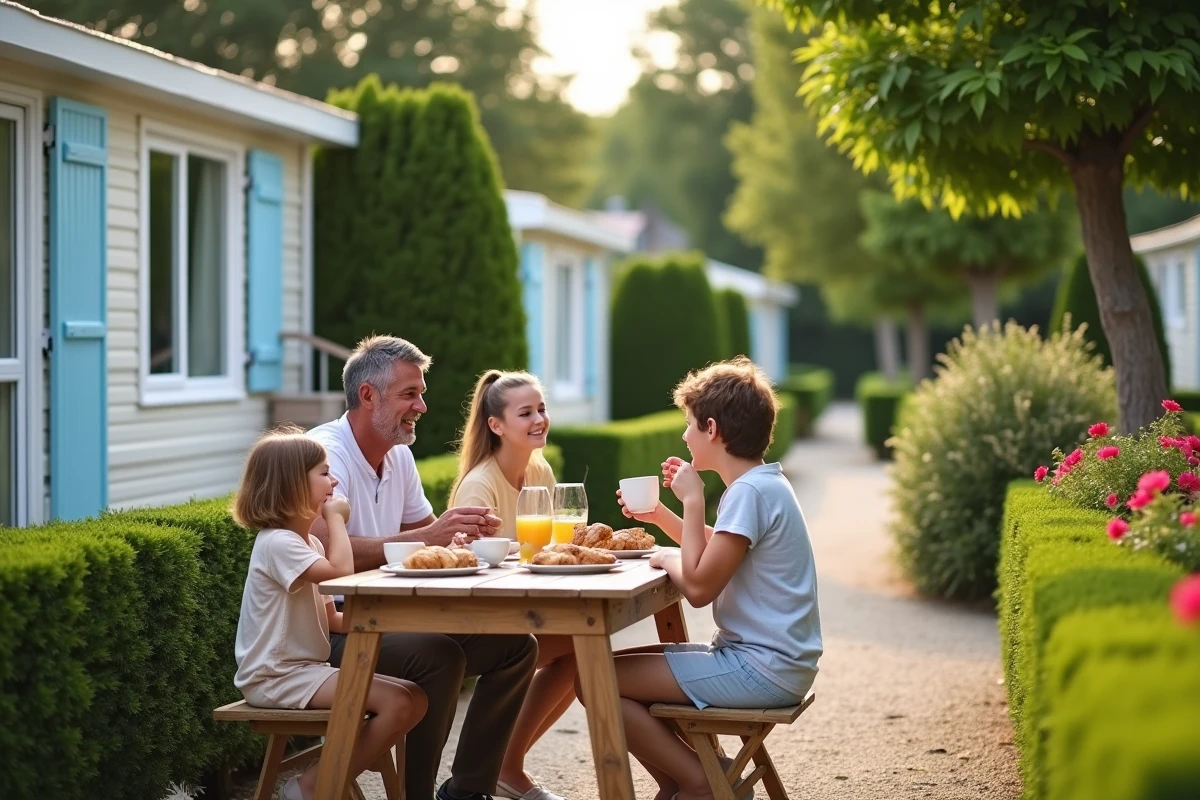
Brands like Sandaya or Yelloh! Village target families looking for an “all-inclusive” or nearly all-inclusive stay. Heated pools, daily activities, and recent accommodations are the norm. The price follows: in high season on the Côte d’Azur or in Languedoc, the budget quickly rises for a well-located mobile home.
These chains are suitable for families with young children who seek a secure environment and organized activities. However, if you are traveling as a couple or prefer tranquility, the “holiday village” atmosphere can quickly become overwhelming.
Human-sized chains focused on friendliness
Flower Campings or Campéole offer smaller establishments, often located away from the busiest tourist areas. The reduced number of pitches changes the experience: less queue at the pool, more contact with the managers, a traditional camping atmosphere.
These networks are suitable for campers who prioritize a natural setting and accept a more modest entertainment offering. Prices are generally lower than those of premium chains, but accommodations may be older.
Groups and labels of independent campsites
Kawan Villages or Les Castels operate differently: they are not chains in the strict sense but groups of independent campsites that share a quality charter. Each establishment retains its personality, which can lead to significant variations in quality within the same network.
The advantage: often remarkable sites (castles, estates in nature, riverbanks in the Pyrenees). The risk: variable service quality from one campsite to another, without the standardization that centralized management brings.
Concrete criteria for choosing your camping chain in France
Before comparing brands, ask yourself these practical questions. They quickly filter options and avoid disappointments upon arrival.
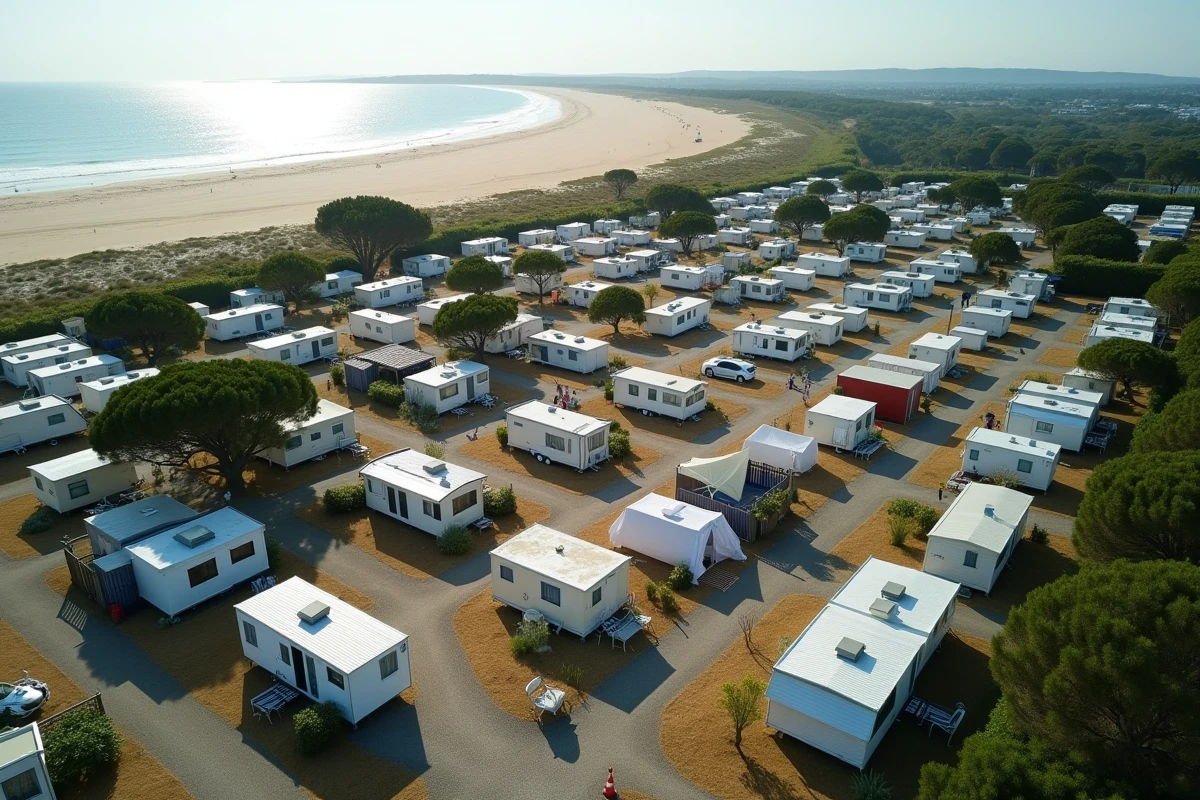
- Region and environment: not all chains cover the entire territory. Some are very present on the Atlantic coast but absent in the mountains or Provence. Check the map of locations before getting attached to a name.
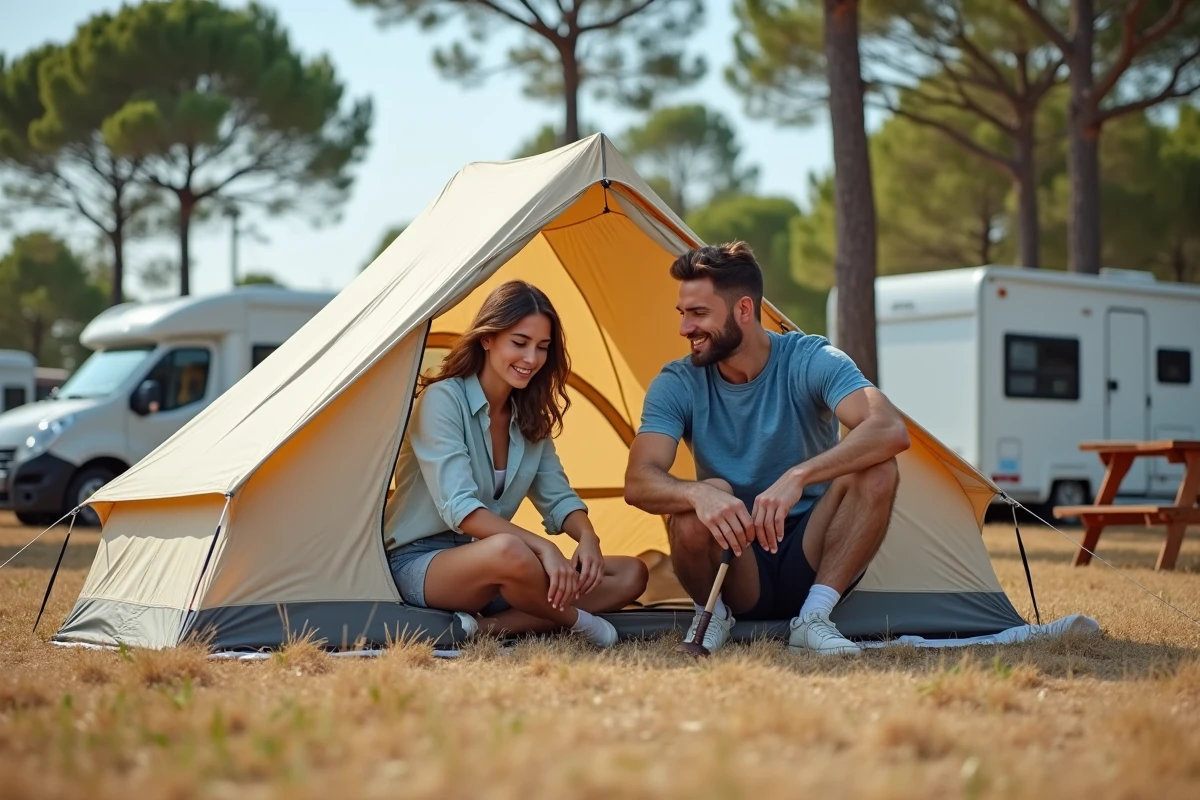
- Type of accommodation sought: a recent mobile home with air conditioning is not the same as a bare pitch for a tent. Some chains have heavily invested in unusual accommodations (lodges, cabins), while others remain focused on the classic mobile home.
- Recent and unfiltered reviews: reviews posted on external booking platforms are more reliable than those displayed on the chain’s website. Focus on comments from the last season, not on an overall rating calculated over five years.
- Cancellation and refund policy: some brands offer refunded nights in case of late cancellation, while others charge the full amount. This detail weighs heavily when booking several months in advance.
A final often overlooked point: the opening and closing dates vary from one campsite to another within the same chain. In June or September, some establishments operate with reduced staff and facilities. The 5-star campsite in July may resemble a 3-star out of season.
The choice of a camping chain relies less on the network’s reputation than on the fit between a specific campsite and your dates, budget, and way of traveling. Consulting reviews from the current season and checking the facilities that are actually open remains the safest method to avoid unpleasant surprises.